Student Housing Tips: What Nobody Tells You Until You've Already Moved In
Not another packing checklist. The real tips for the weeks after you move in: roommates, groceries, healthcare and making friends.

Most housing advice stops at move-in day: documents sorted, deposit paid, keys in hand, done. This is the part that actually matters after that, the weeks where you figure out how to live somewhere, not just how to book it. None of this is about money or paperwork, that's covered elsewhere. This is what nobody mentions until you're already living it.
Living With Roommates You Didn't Choose
Whether you're in a flatshare or coliving, you're sharing space with people you met a few weeks ago at most. A few things make this genuinely easier: agree on basic kitchen rules early (whose food is whose, how quickly dishes get done) rather than letting resentment build silently. Use the group chat for logistics, not passive-aggressive hints, if something's bothering you, say it directly and kindly rather than posting a vague message and hoping someone gets it. And give people room to be different from you. Someone else's mess tolerance or noise threshold isn't a personal attack, it's just a different person.
Groceries and Cooking Without Overspending
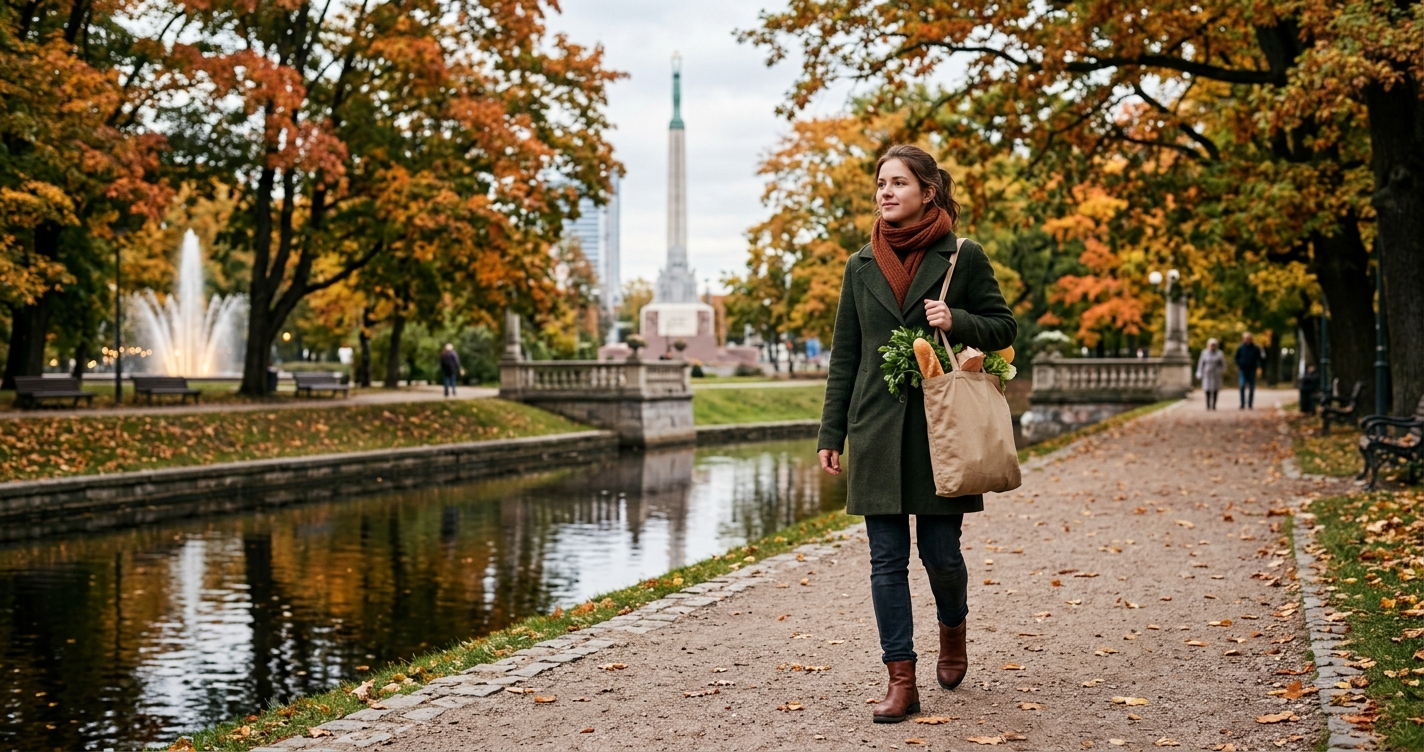
In Budapest, Lidl, Tesco, Spar and Aldi are the everyday options, and the Great Market Hall near Liberty Bridge is worth a regular visit for fresh produce at prices that usually beat the supermarket. In Riga, Rimi and Maxima are the two chains you'll use most, with Prisma also common, Rimi's discount card works through an app, Maxima's requires filling out a physical form in-store. In both cities, cooking most of your own meals is where the real savings are, eating out even occasionally adds up fast compared to a full week of home-cooked food.
Actually Using Your Health Insurance
Having insurance and knowing how to use it are different things. In your first couple of weeks, find out how to register with a local doctor (GP) near your accommodation, most universities can point international students toward this, and doing it before you're actually sick saves a lot of stress later. Pharmacies (gyógyszertár in Hungary, aptieka in Latvia) can usually help with minor things without needing an appointment at all. And regardless of what country you're in, 112 is the emergency number across the entire EU, worth having saved in your phone from day one, not looked up in a panic.
Making Friends After the First Week
The built-in socialising of move-in week fades fast once classes start. ESN (Erasmus Student Network) runs regular events in both Budapest and Riga and is genuinely one of the easiest ways to meet other international students without effort. If you're in a Fuse coliving building, the community events built into the building are worth actually showing up to, even when you don't feel like it, that's usually when the best connections happen. Language exchange meetups and university clubs are the other reliable route, and they tend to attract people who are also actively trying to make friends, which makes the whole thing less awkward than it sounds.
Staying Aware Without Being Paranoid
Both Budapest and Riga are generally safe cities for students, the kind of awareness that actually matters is mundane: keep an eye on your bag in busy tourist areas and on public transport, be cautious of anyone overly friendly near ATMs or train stations, and use licensed taxi apps rather than hailing something off the street late at night. None of this requires being on edge, it's the same baseline awareness you'd use in any unfamiliar city.
Giving Yourself Time to Adjust
It's completely normal for the first few weeks somewhere new to feel harder than you expected, even when you're excited to be there. A routine helps more than people expect: regular class times, a gym or running schedule, a standing coffee spot, small anchors that make an unfamiliar city start to feel familiar. Staying in touch with people back home is good, but if it starts replacing effort to build a life where you actually are, that's worth noticing. Give it a few weeks before deciding how you feel about the move, first impressions of a new city rarely hold up once you've actually settled in.
One Thing That Makes All of This Easier
A lot of these adjustments are smoother when your housing itself isn't a source of stress. Fuse's rooms come fully furnished with all-inclusive pricing and a community built around move-in periods, so there's less to figure out on your own in those first few weeks.
Browse available rooms in Budapest and Riga at Fuse's listings page.
Frequently Asked Questions
How do I register with a doctor as an international student?
Most universities have an international office that can point you to local GP registration, worth doing in your first couple of weeks rather than waiting until you're unwell.
What's the emergency number in Budapest and Riga?
112, the standard emergency number across the entire EU, works for police, ambulance and fire in both Hungary and Latvia.
How do I meet people after the first week if I don't know anyone?
ESN (Erasmus Student Network) events are one of the most reliable options in both cities. If you're in a coliving building, showing up to community events consistently tends to work better than waiting for connections to happen on their own.
Is it normal to feel homesick after moving abroad for university?
Very common, especially in the first few weeks. Building a routine and giving yourself time before judging the move tends to help more than trying to push the feeling away.
See available rooms in Budapest and Riga