Student Housing in Riga: The Real Cost Breakdown Nobody Gives You (2026)
What does student housing in Riga really cost in 2026? Rent, bills, food, transport and the hidden costs, all broken down so you can budget before you arrive.
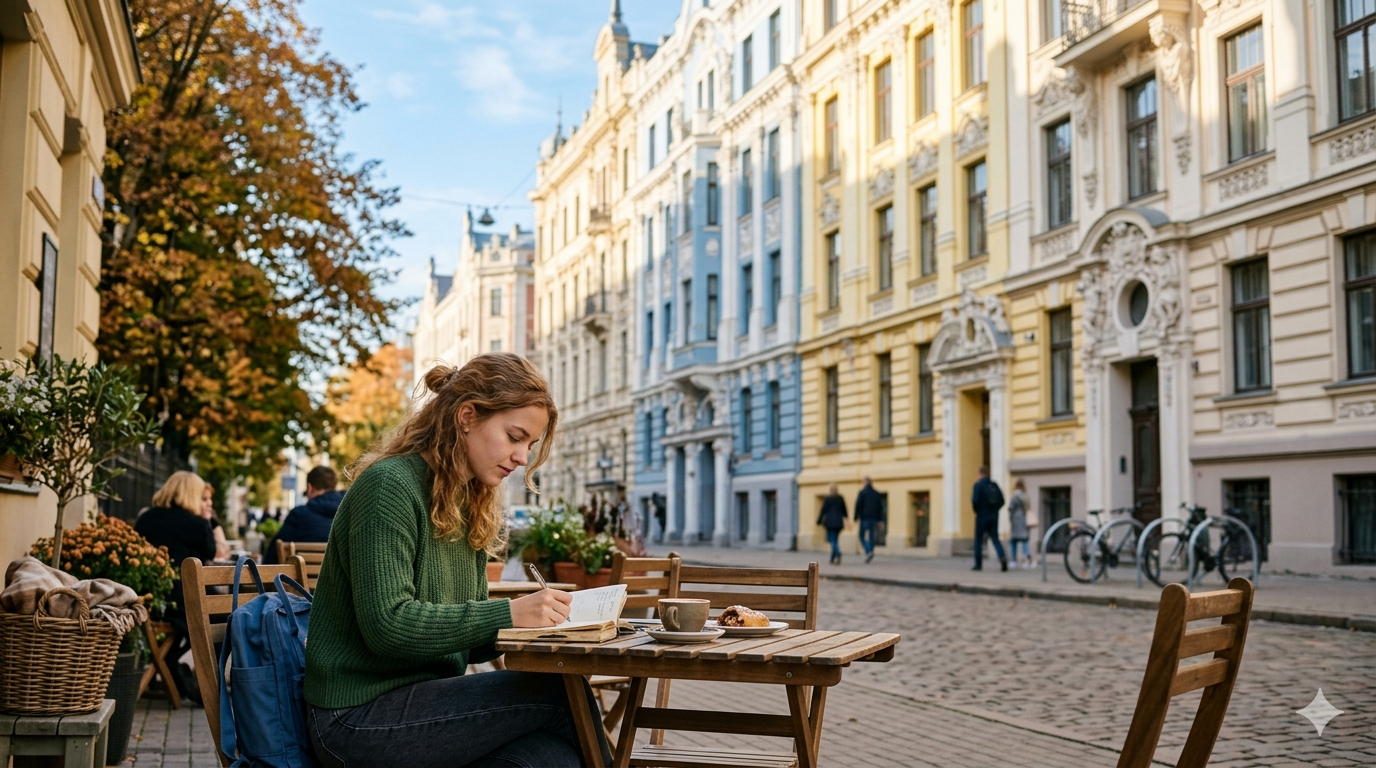
Most guides about Riga will tell you it is cheap and leave it there. And yes, it is cheap, genuinely cheap by European capital standards. But "cheap" doesn't tell you how much to actually budget before you book a flight, and it definitely doesn't warn you about the things that catch students off guard once they are already there.
This is the real breakdown. Every category, real numbers, no vague hand waving. By the end you will know exactly what student housing in Riga costs, what living here actually runs month to month, and where the hidden costs tend to show up.
The Quick Overview: What a Month in Riga Actually Costs
Before the detail, here is the honest summary for a student living in Riga in 2026.

Most students who live comfortably in Riga without watching every single euro land somewhere between €750 and €900 per month. Compare that to Amsterdam (€1,400 minimum), Barcelona (€1,200 or more) or Berlin (€1,100 or more) and you start to see why Riga keeps showing up on lists of the best Erasmus destinations in Europe. Now let's go through each category properly.
Accommodation: Where the Range Is Widest
Housing is the biggest variable in your budget and the one worth understanding in detail, because listings in Riga can look very different on paper yet end up costing a similar amount once you add everything in.
Shared rooms in private flats are the cheapest option on the market, typically €180 to €250 per month. The trade off is obvious. You share a bedroom with someone else, utilities are almost always separate, and most of these listings come through Facebook groups or informal channels. That works out fine for some people and badly for others. If you are moving from abroad and haven't seen the room in person, it is a gamble.
Private rooms in shared flats are where most students end up. Expect €300 to €450 per month depending on the neighbourhood and whether bills are included. Central neighbourhoods like Centrs and the areas around Old Town push toward the higher end. Quieter spots like Āgenskalns and Teika are more affordable and still well connected by public transport.
Studio apartments start around €400 to €500 per month for a basic furnished option and climb to €650 to €800 for something newer and more central. Good if you want your own space, but for a semester length stay the extra cost rarely feels worth it next to the alternatives.
Coliving is where the maths starts to look different. An all-inclusive coliving room in Riga, like what Fuse offers, runs around €450 to €480 per month. That price covers your room, all utilities, WiFi and access to communal spaces, on fixed term contracts of 5, 6, 10 or 12 months with rent paid monthly. No deposit headaches, no utility contracts to set up, no flatmate admin. Stack up a private room at €350, plus €80 in utilities, plus €25 for WiFi, and you are already at €455, having done considerably more work to get there. The convenience argument is real, especially if you are booking from outside Latvia.
Utilities: The Cost Students Consistently Underestimate
Here is the thing about Riga that nobody puts in the headline. It gets cold. Properly cold. Temperatures in January and February regularly drop below minus ten, and heating bills in a private flat can spike hard during those months. This is the most common hidden cost students run into.
If your rent doesn't include bills, budget roughly €50 to €80 per person per month for electricity, heating and water across the year, knowing it will be lower in summer and higher in the depths of winter. Add around €15 to €25 for a home broadband contract and you are looking at €65 to €100 per month on top of rent.
A room advertised at €300 with bills separate usually ends up costing €380 to €400 in practice. Keep that in mind when comparing listings.
Groceries: Genuinely Affordable
Riga's main supermarkets are Rimi, Maxima and Lidl, and by European standards the prices are low. A student cooking most of their own meals can eat well for €120 to €180 per month without much effort.
To give you a concrete sense of it, a litre of milk costs around €0.90, a loaf of bread is about €1.20, 500g of chicken breast runs around €3.50, and a dozen eggs is about €2.50. Fresh produce at Riga Central Market, one of the largest covered markets in Europe, comes in even cheaper than the supermarkets, and the quality is noticeably better. If you live close enough to go weekly, it is well worth building into your routine.
Eating Out and Coffee
Riga has a café culture that punches above its size and a restaurant scene that has improved a lot over the past few years. Unlike a lot of European cities where eating out has become a special occasion thing, here it is still genuinely affordable on a student budget.
A lunch at a local canteen or budget restaurant runs €5 to €8. Dinner at a mid range place is €12 to €18 per person. A coffee is €2.50 to €4 depending on where you go, and a beer at a bar sits in the same range. If you eat out a few times a week and grab coffee regularly, €80 to €120 a month covers it. Students who cook most meals and treat restaurants as occasional can keep it to €50 or €60.
Public Transport: Thirty Euros and You're Done
Riga's tram, bus and trolleybus network covers the whole city well and costs almost nothing. A monthly pass runs around €30, there are student discounts available through your university, and a single ticket is €1.15 if you prefer to pay as you go. For most students the monthly pass is the obvious call, and €30 covers every journey for the whole month.
In spring and summer Riga is very cyclable and bike sharing is available across the city. Worth knowing if you want to cut the transport cost even further.
Phone and SIM
EU roaming rules mean your home SIM works in Latvia, so if you are on a decent plan at home you might not need to do anything. If your data allowance is tight, local operators like LMT and Tele2 have plans from around €10 to €15 per month with a solid data allowance. Coverage across Riga is reliable and sorting a local SIM takes about twenty minutes.
Entertainment and Social Life
This is the most personal part of the budget and also where Riga genuinely surprises people. The city has strong nightlife, interesting museums, good live music, and a very walkable Old Town that is free to spend time in. A cinema ticket is €7 to €10, museum entry is typically €5 to €10 with student discounts widely available, and a night out covering entry and a few drinks usually runs €15 to €30.
One of the better day trips you can do is the beach at Jūrmala, 25 minutes from Riga by train and under €5 return. In summer it is a genuinely good afternoon out for almost nothing.
Most students budget €50 to €100 per month for social life and activities. If you are on a tight Erasmus grant, Riga is one of the few European cities where you can have a proper social life without it eating your entire budget.
How Riga Stacks Up Against Other Erasmus Cities

Riga and Budapest sit at the affordable end of the Erasmus city spectrum consistently. The Erasmus grant ranges from around €300 to €500 per month depending on your home country, and Riga is one of the few capitals in Europe where that grant actually covers a meaningful portion of your costs rather than just taking the edge off.
One Way to Make the Budget More Predictable
If you want to remove as much financial uncertainty as possible before you arrive, all-inclusive coliving is worth a serious look. Fuse offers student coliving in Riga from around €450 to €480 per month, with rent, bills, WiFi, a furnished room and communal spaces included in one fixed price, on contracts of 5, 6, 10 or 12 months. No surprises when February arrives and the heating bill doubles.
With Riga's low costs across food, transport and social life, your total monthly spend can realistically come in under €900. For a European capital, that is genuinely hard to beat.
Frequently Asked Questions
How much does student housing in Riga cost per month?
A private room in a shared flat typically runs €300 to €450 per month. All-inclusive coliving options like Fuse come in around €450 to €480 per month with utilities, WiFi and furnishings included.
Is Riga cheap for students?
Yes, it is one of the most affordable capitals in the EU. Total monthly budgets including housing and living costs typically land between €700 and €900, against €1,200 or more in most Western European cities.
Is the Erasmus grant enough to cover living costs in Riga?
It depends on your home country. Grants range from roughly €300 to €500 per month. In Riga, that covers a meaningful portion of your costs in a way it simply doesn't in cities like Amsterdam or Paris.
Do I need to pay utilities separately in Riga?
Many private flat rentals don't include utilities, which adds €65 to €100 per month. Coliving options like Fuse include all bills in the monthly price.
What is the cheapest way to get around Riga as a student?
A monthly public transport pass costs around €30 and covers unlimited travel by tram, bus and trolleybus across the city. Student discounts are available through most universities.