What Should I Pack for Winter in Budapest as a Student?
Budapest's coldest months average near freezing and December has about 55 hours of sun. Pack a warm waterproof coat, layers, a hat, gloves and shoes with grip.

Pack warm layers and a waterproof coat: Budapest's coldest months average near freezing point, with January the coldest, and December has only about 55 hours of sunshine. These are averages for 1981 to 2010 from the Hungarian Meteorological Service (OMSZ), published in the City of Budapest's 2021 environmental assessment. A warm waterproof coat, layers, a hat, gloves and shoes with grip cover most of what a student needs.
At a glance
- Coldest month: January, with an average near 0°C (1981 to 2010, OMSZ)
- Darkest month: December, about 55 hours of sunshine
- Lowest temperature on record: -27.1°C, 24 January 1942 (OMSZ)
- Most useful item: a warm, waterproof coat
- Leave at home: bedding and household items, if your room is furnished
How cold is Budapest in winter?
Budapest's coldest months average around freezing point, with January the coldest, according to Hungarian Meteorological Service data for 1981 to 2010 in the City of Budapest's 2021 environmental assessment. The lowest day and night temperatures of the year fall between December and February. These are long term averages, so single winter days in Budapest can drop well below zero: the lowest temperature OMSZ has measured in Budapest was -27.1°C, on 24 January 1942.
Is Budapest colder than Riga in winter?
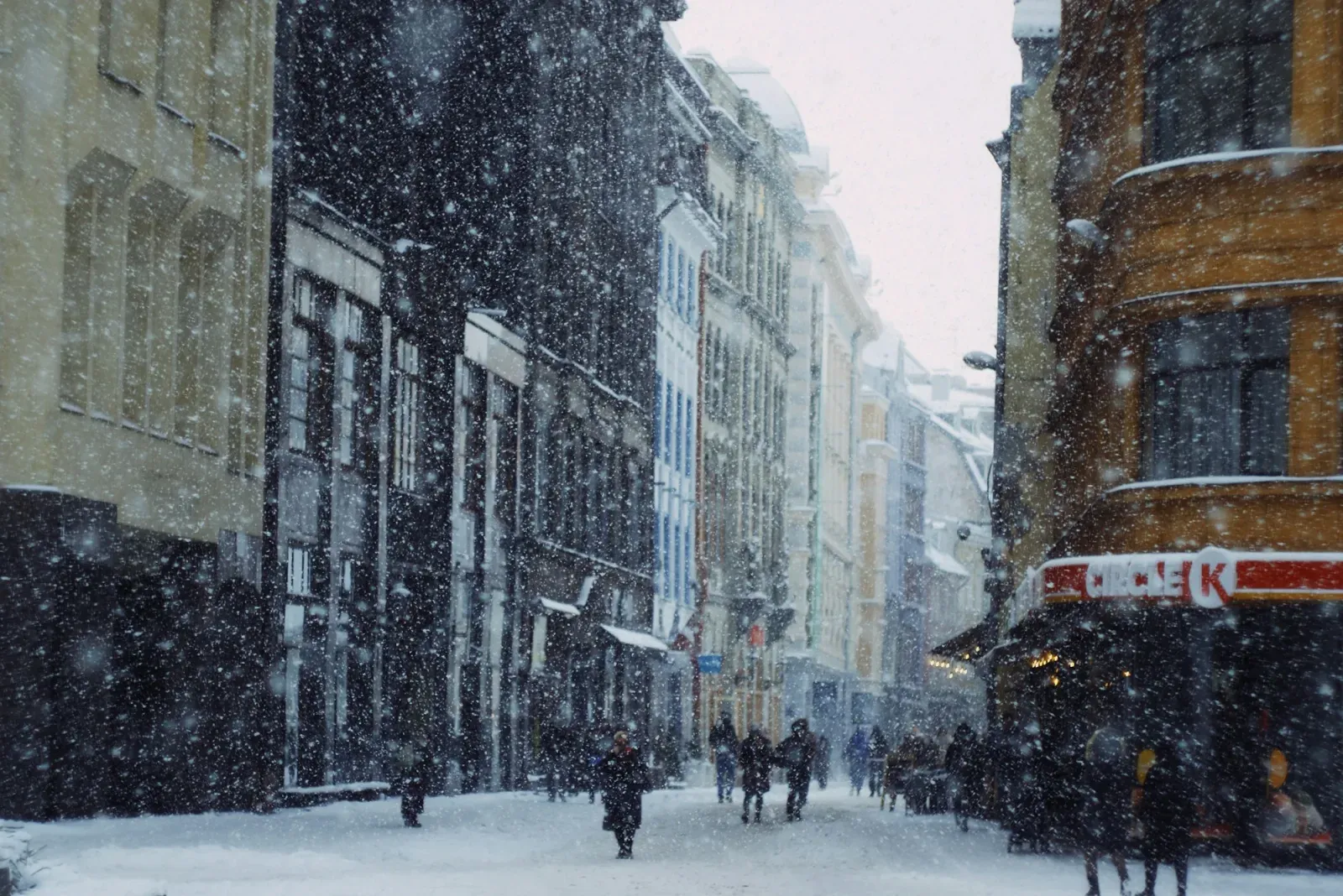
No, Budapest is milder than Riga in winter. Riga averages -2.2°C in January and February (1989 to 2018), while Budapest's coldest months average near 0°C (1981 to 2010).
| City | Coldest month | Its average temperature | Period | Source |
|---|---|---|---|---|
| Budapest | January | Near 0°C | 1981 to 2010 | OMSZ, City of Budapest |
| Riga | January and February | -2.2°C | 1989 to 2018 | LBN 003-19, Latvia |
If you are deciding between the two cities, our guide on what to pack for winter in Riga covers the colder of the two.
What winter clothes do I need for Budapest?
A student who arrives in Budapest for the spring semester needs clothes for cold, often grey and damp weather from December to February. Layers suit Budapest best, because most indoor spaces in Budapest are heated and you take your coat off indoors.
| What to pack for Budapest | Why you need it |
|---|---|
| A warm, waterproof coat | Cold rain, wind by the Danube and the odd snowfall |
| Two or three thermal or long sleeve base layers | Warmth on days around and below zero |
| Jumpers or fleeces | Layers you can take off indoors |
| Waterproof shoes or boots with good grip | Slush, rain and frosty pavements |
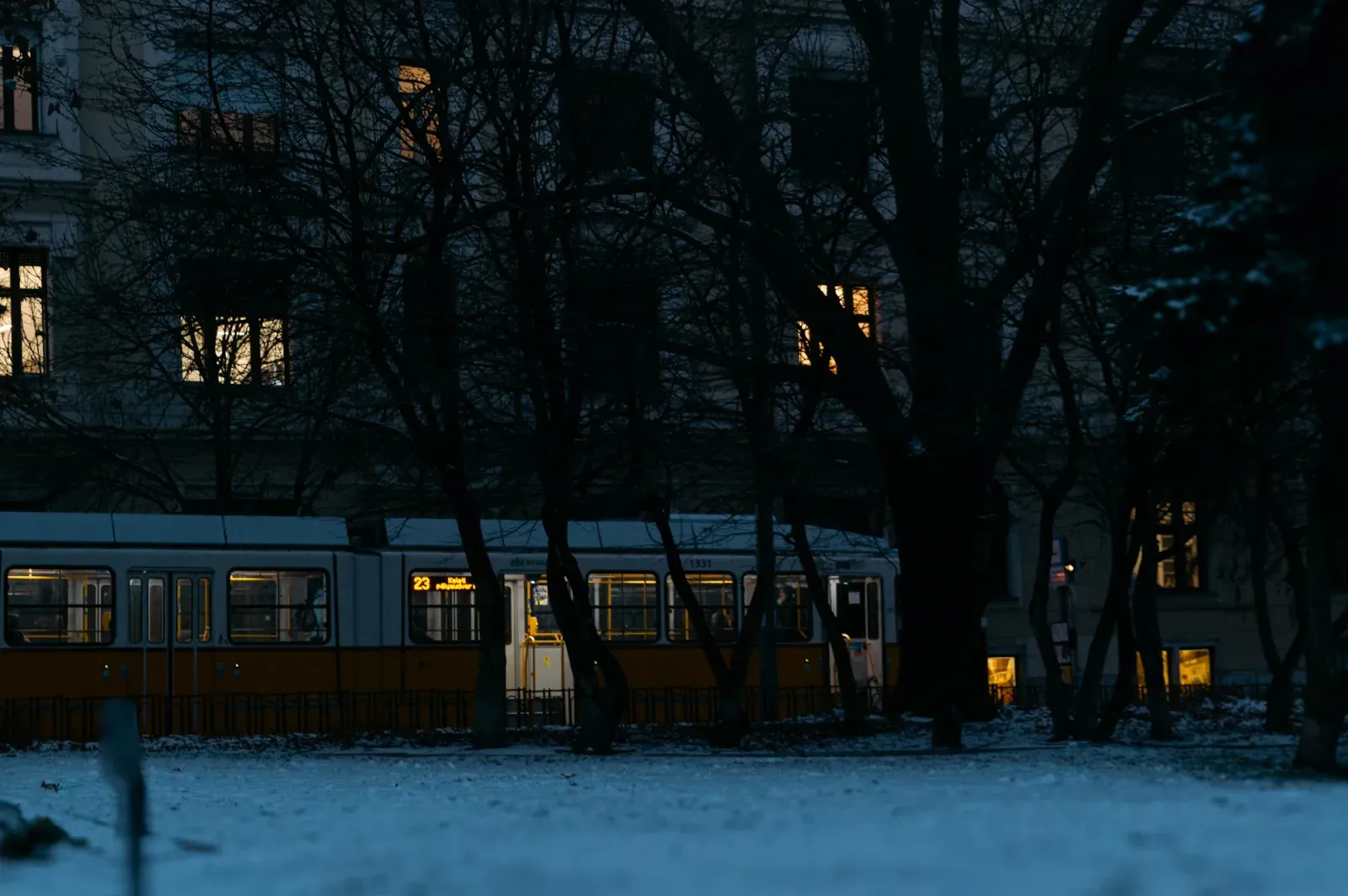
| A hat, a scarf and warm gloves | Cold mornings at tram and bus stops |
| Warm socks | Long walks between lectures |
If luggage space is tight, wear your coat and boots on the plane and buy extra layers in Budapest after you arrive.
What can I leave at home when moving to Budapest?
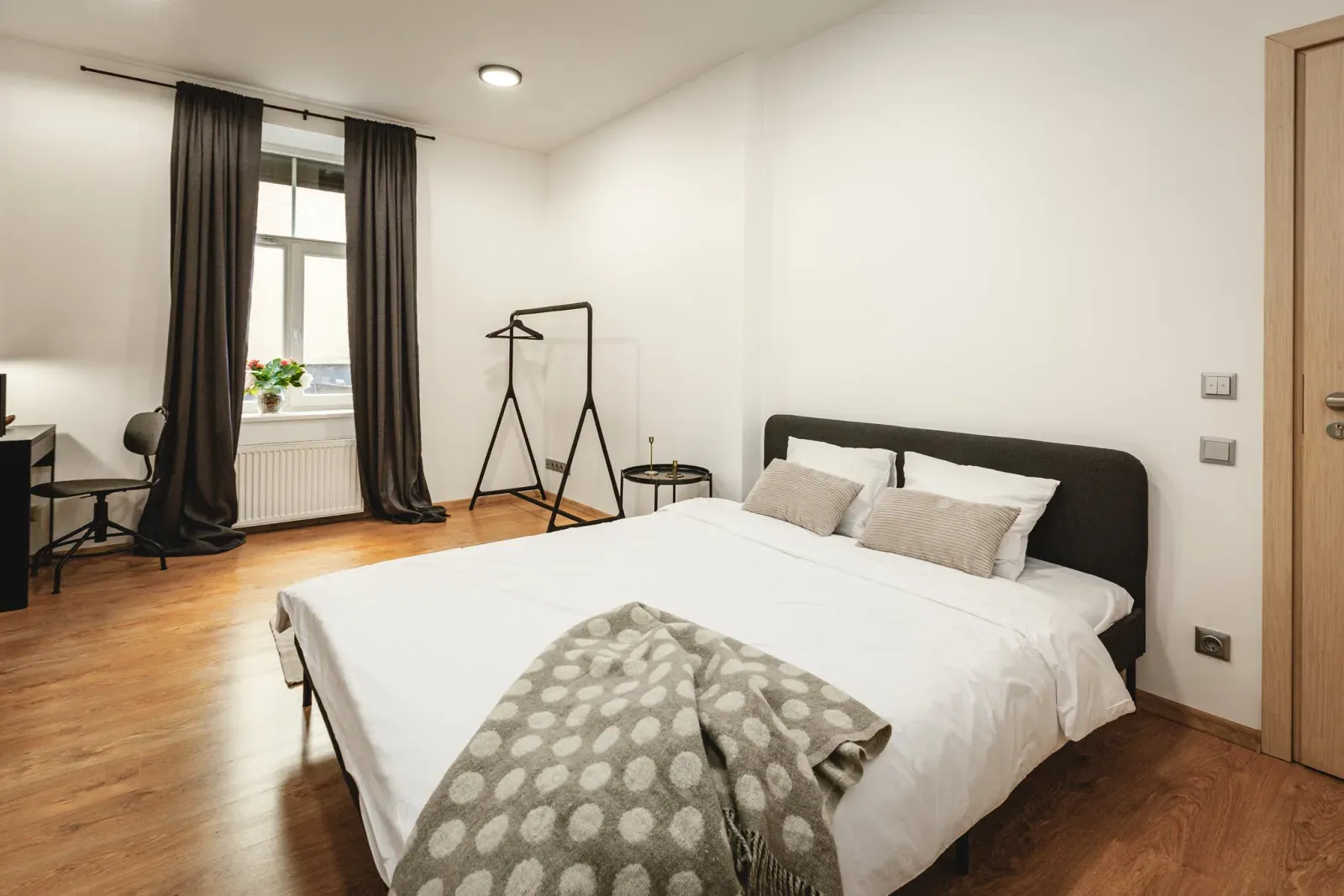
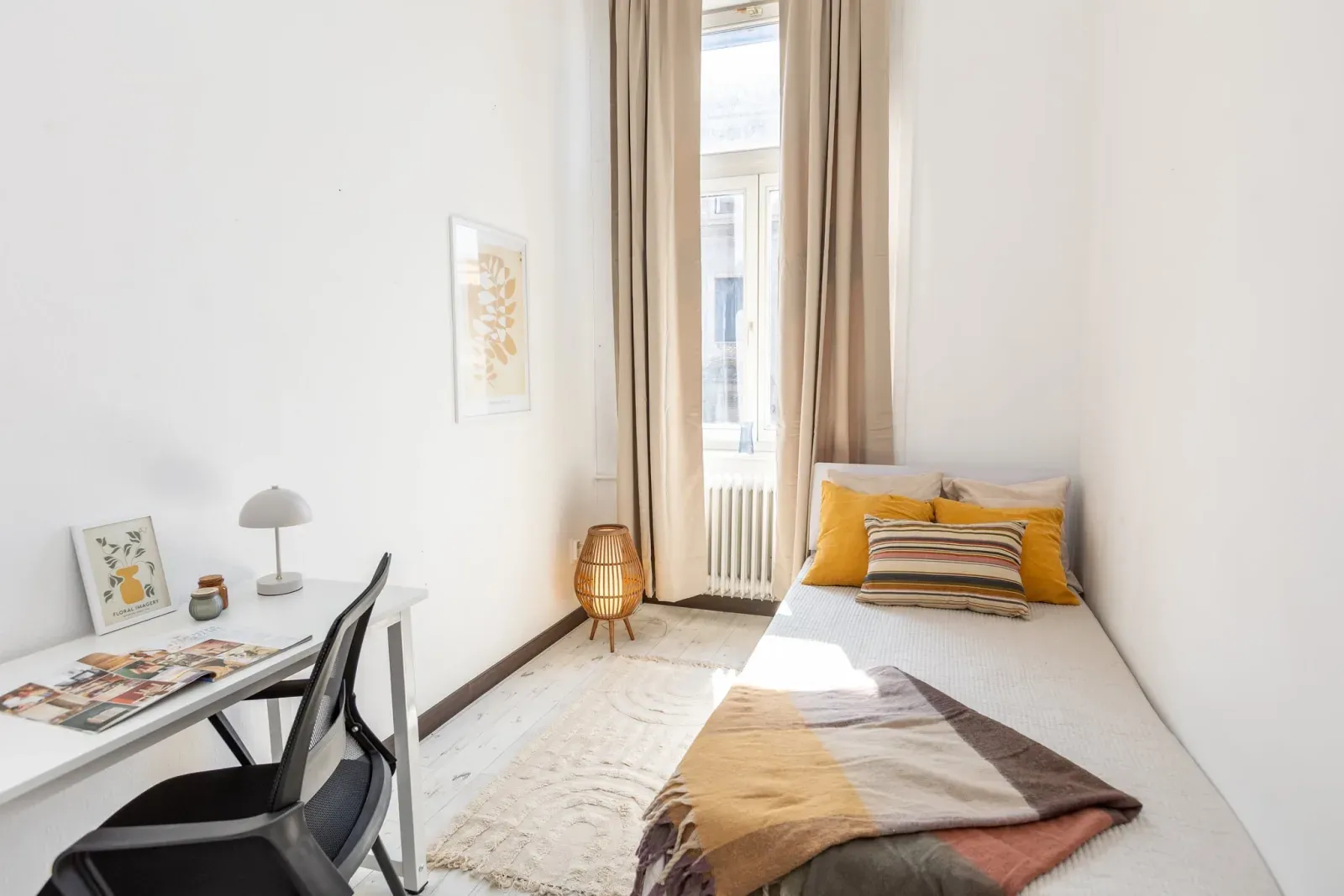
You can leave bedding, bulky household items and furniture at home if you move into a furnished room in Budapest. At Fuse, every room is furnished, a linen set is ready when you check in and WiFi is included. Bring one towel and your toiletries for the first night; a desk lamp or a hot water bottle are easy to buy in Budapest once you have settled in.
Will my room in Budapest be warm in winter?
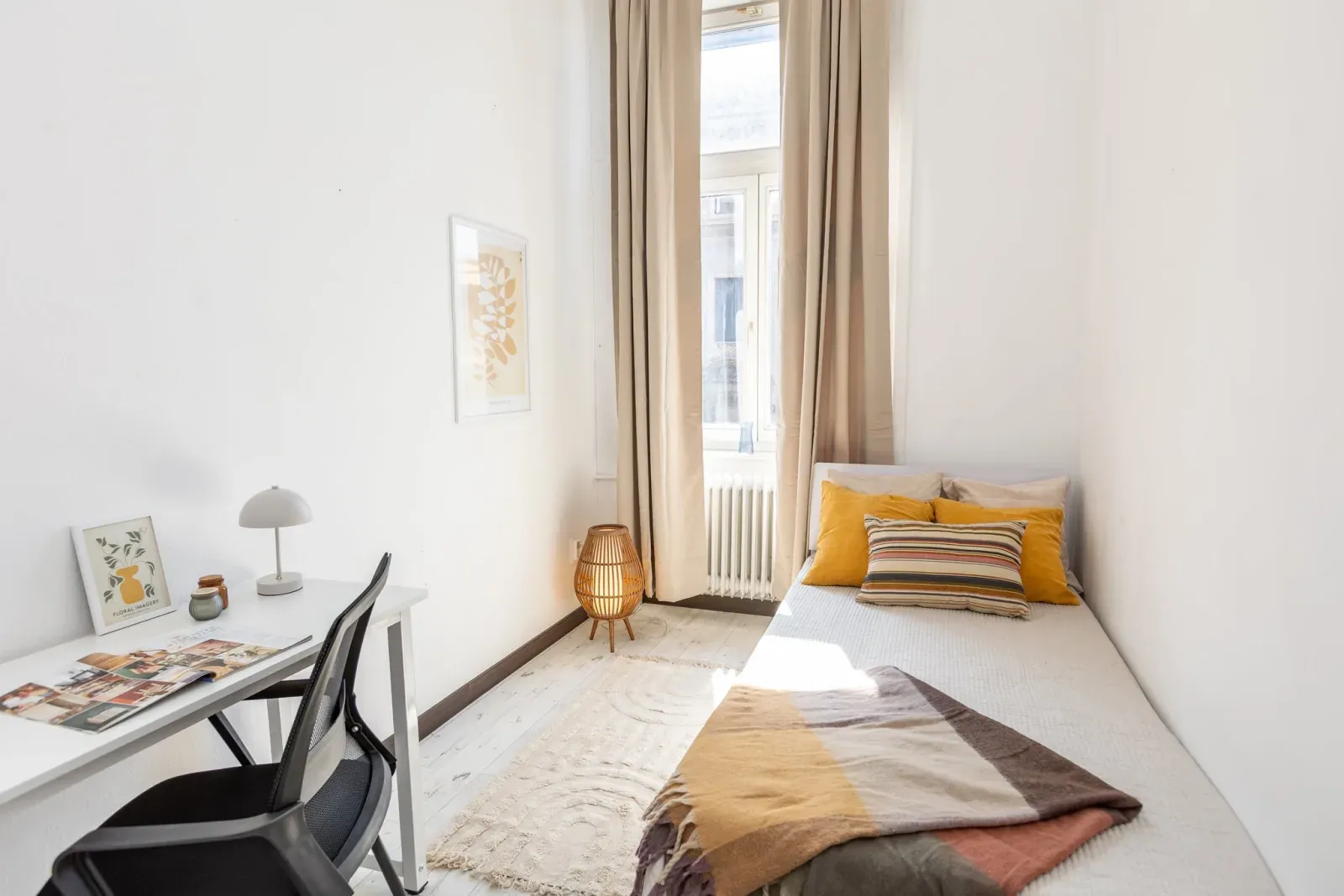
Heating pushes utility bills up in a Budapest winter, so check how your rent handles it before you sign. In an all inclusive room, rent, electricity, water, heating and WiFi sit in one monthly price. In most Fuse homes in Budapest a fair use rule applies: if the utilities of your room or flat go above €70 in a month, the extra can be charged, so keeping windows closed while the heating is on helps.
How do I deal with short, dark days in Budapest?
December is the darkest month in Budapest, with about 55 hours of sunshine and 21% of the sunshine that would be possible with no clouds, the lowest share of the year, according to OMSZ data for 1981 to 2010. Getting outside in daylight between lectures, keeping a regular sleep routine and joining activities in your first weeks all make the dark months easier. Our guide to free and cheap things to do in Budapest has ideas, and the Budapest student transport guide explains the pass that gets you around the city.
Where does Fuse fit?
Fuse (fusestays.com) offers furnished student rooms and coliving in Budapest with one all inclusive monthly price: rent, electricity, water, heating and WiFi, with a €70 a month fair use limit on utilities in most homes. A linen set is ready when you check in, so you do not need to pack bedding. Contracts run for 5, 6 or 12 months and start on the 1st or the 15th of a month, which fits a January or February arrival. Our guide on when to move to Budapest for the spring 2027 semester has the start dates by university, and the student housing in Budapest page shows every room and its current price.
Frequently asked questions
Sources
Every figure in this article comes from these pages.
- City of Budapest: Budapest környezeti állapotértékelése 2021 (Budapest environmental assessment 2021), chapter I.5 "Klimatikus viszonyok", Hungarian Meteorological Service data for 1981 to 2010
- Cabinet of Ministers of Latvia: Regulation No. 432, building code LBN 003-19 "Building climatology", table 1