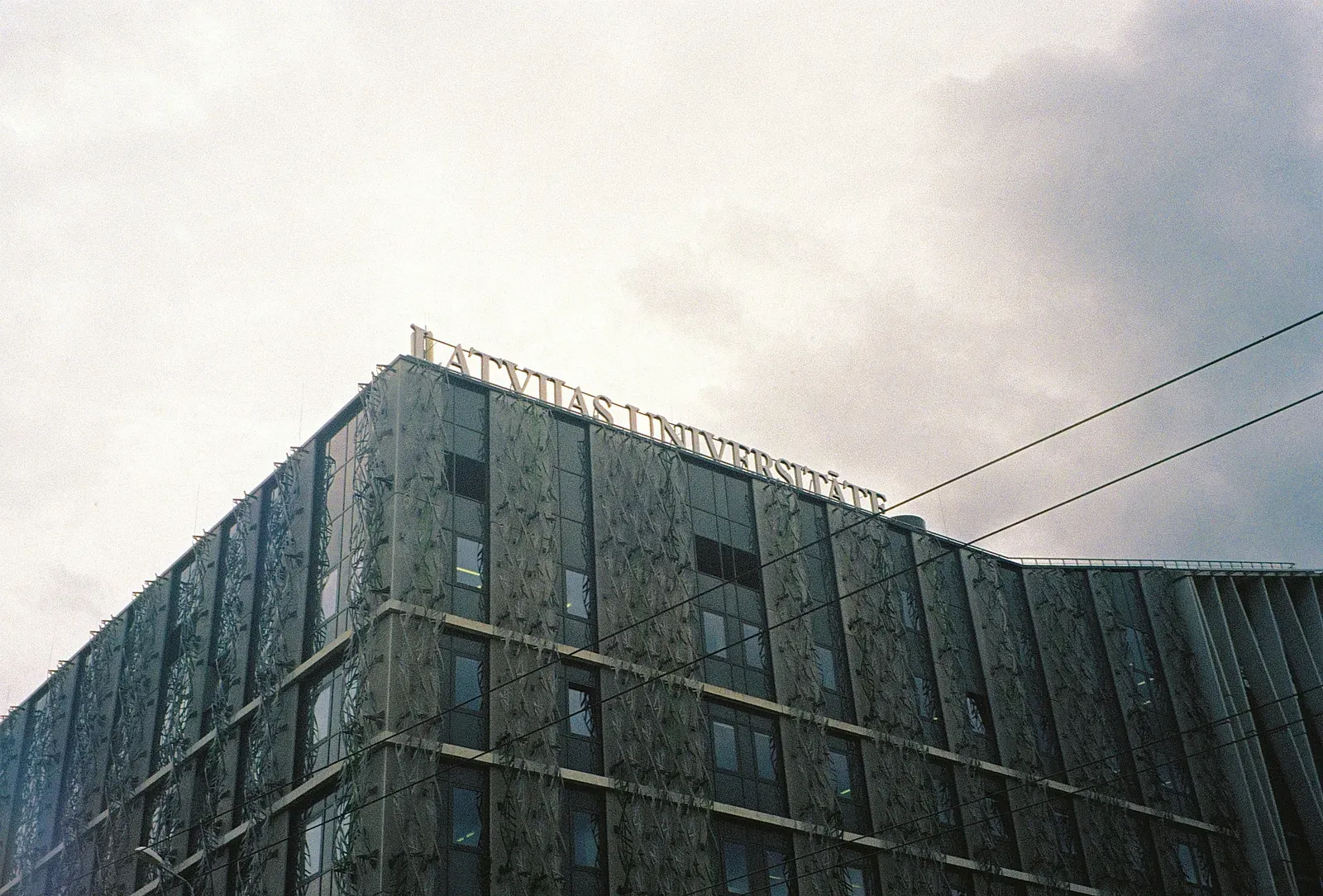
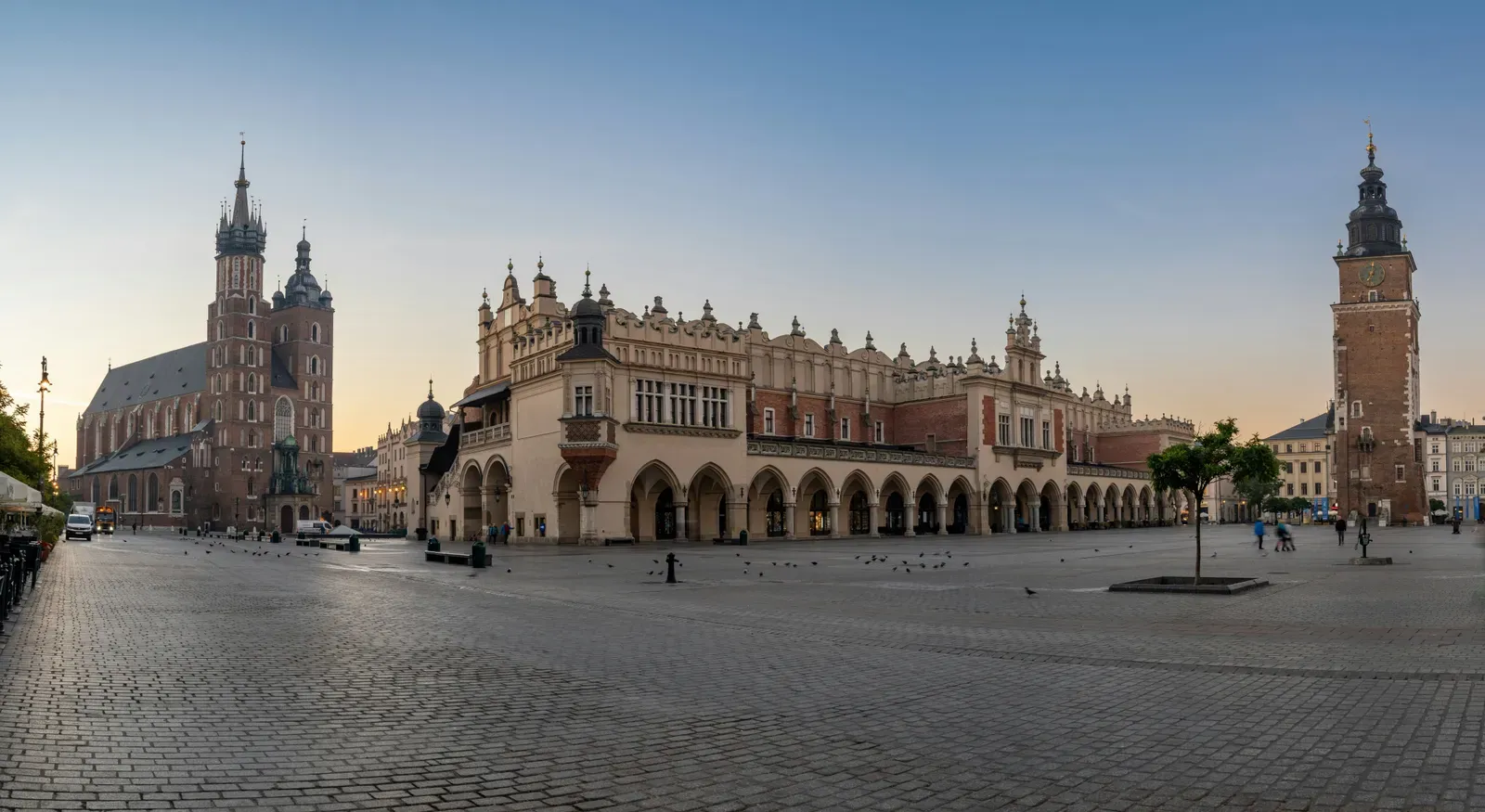
Budapest vs Riga for Erasmus: Which City Should You Choose?
Pick Budapest for a bigger city and lower everyday prices, Riga for a calmer capital with cheaper housing and colder winters. Costs, transport, universities and weather compared.
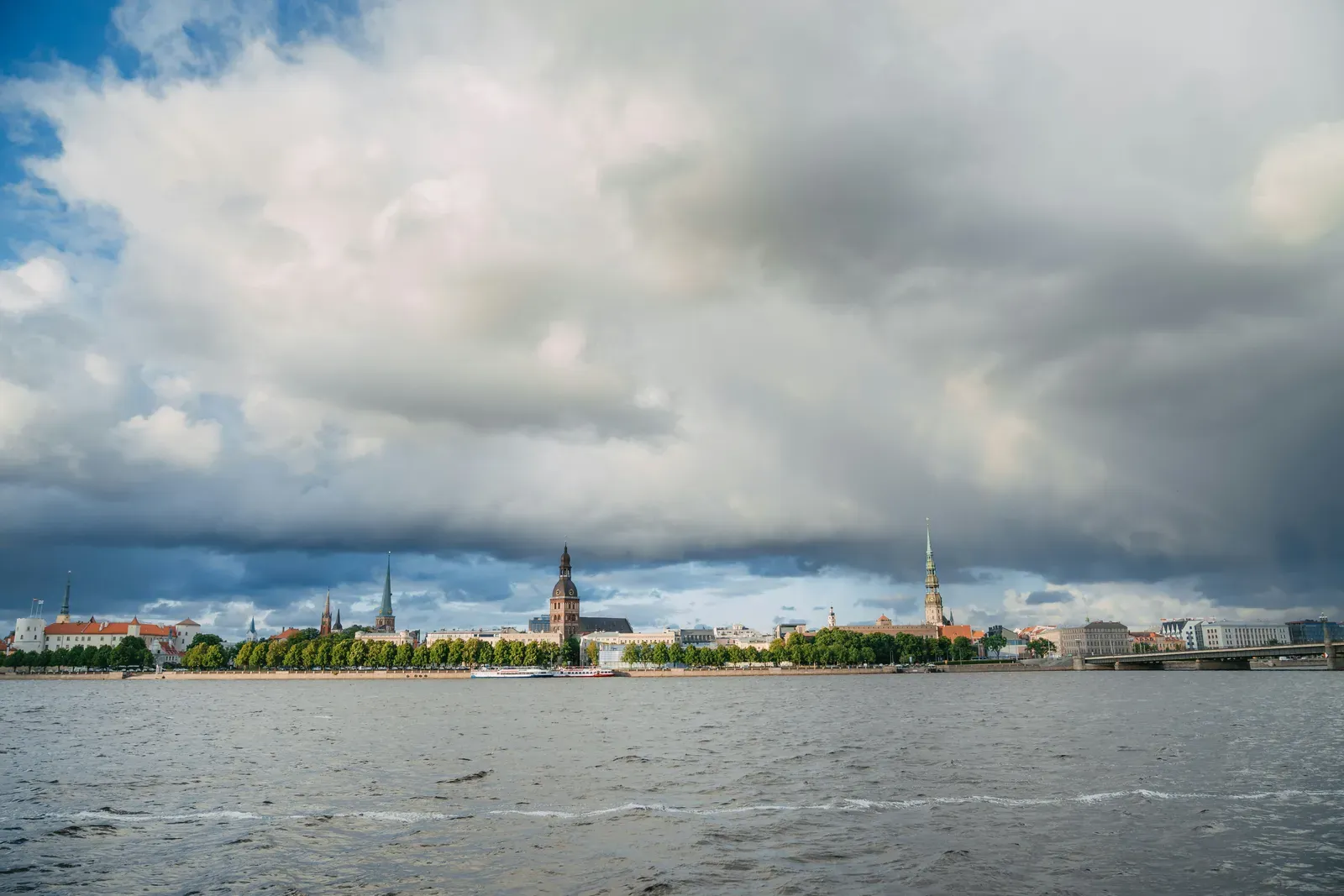
Choose Budapest for a bigger city, a larger Erasmus scene and lower everyday prices; choose Riga for a smaller, calmer capital with cheaper housing and colder winters. As of October 2026, Budapest has about 1.68 million people against about 589,000 in Riga (Hungary's KSH and Latvia's CSP, start of 2026), and Eurostat's 2025 national price levels put Hungary at 78 and Latvia at 83 overall (EU average 100); Latvia is lower only for housing, water, electricity and gas together (56 against 67), while electricity and gas alone cost about twice as much in Latvia (83 against 39).
Budapest and Riga are both EU capitals with strong international student scenes, and both are affordable in a way most Western European cities are not. Fuse (fusestays.com) has student rooms in both cities. This guide works through the real differences between Budapest and Riga for an Erasmus semester, not only the ones that look good on a ranking list.
Should you choose Budapest or Riga for Erasmus?
Choose Budapest if you want a bigger city, a more established international student scene, more nightlife, lower prices for food and going out, and easy connections to the rest of Europe.
Choose Riga if you want a smaller, more intimate capital, cheaper housing, and something a bit less obvious: a European capital that many Erasmus students have not yet discovered.
Is Budapest or Riga cheaper for students?
Hungary's national price level (78) is below Latvia's (83), so Budapest is likely slightly cheaper than Riga for everyday spending, while Riga is likely cheaper for housing; Eurostat publishes these price levels for whole countries, not for cities. Food, eating out and recreation all cost more in Latvia than in Hungary. The combined housing, water, electricity and gas level is lower in Latvia because of housing: electricity and gas alone cost about twice as much in Latvia (83 against 39). Because rent is the biggest item in a student budget, the room you find decides which city ends up cheaper for you.
| National price level 2025 (EU average = 100) | Hungary | Latvia |
|---|---|---|
| All household spending | 78 | 83 |
| Food and non-alcoholic drinks | 95 | 108 |
| Restaurants and accommodation services | 82 | 87 |
| Recreation, sport and culture | 73 | 89 |
| Transport | 83 | 84 |
| Housing, water, electricity and gas | 67 | 56 |
| Of which electricity, gas and other fuels | 39 | 83 |
Universities and governments give student budgets for each city too. Corvinus University of Budapest puts a student's total monthly cost of living in Budapest at around €500 to €1,100. Study in Latvia, the Latvian state's study portal, puts the average for a student in Latvia at €700 to €800 a month including accommodation. Both are current official estimates read in October 2026.
Winter heating is where the difference between Budapest and Riga matters most. Riga's winters are longer and colder, and Eurostat's 2025 price level for electricity, gas and other fuels is 83 in Latvia against 39 in Hungary, so a room in Riga whose rent does not include heating costs noticeably more in January and February. The simplest way round it in either city is all-inclusive student housing, where one monthly price covers rent, utilities and Wi-Fi, so the bill is the same in September and February. Current all-inclusive room prices are on the student rooms in Budapest and student rooms in Riga pages.
Is it easier to find student housing in Budapest or Riga?
Budapest has a larger and more competitive private rental market, with more listings in English and more operators used to international students. The Budapest districts closest to universities and nightlife (VII, VIII and IX) fill up fast for September starts, so booking early matters.
Riga has a tighter rental market that relies heavily on local contacts and Latvian-language platforms. International students booking a room in Riga from abroad are at a disadvantage in the private market, which is one reason a managed, bookable-from-abroad room makes more practical sense in Riga than in Budapest.
Fuse offers furnished, all inclusive rooms in Budapest (flatshares, coliving and private apartments) and Riga (flatshares) on contracts of 5, 6 or 12 months, with an online booking process with no viewing. That helps in both cities, and most in Riga, where the alternative is a Latvian-language rental market navigated from abroad.
Which universities in Budapest and Riga take international students?
Budapest draws the more diverse international student population of the two cities, with several well-known universities:
- Corvinus University of Budapest for business, economics and social sciences
- Budapest University of Technology and Economics (BME) for engineering and technical programmes
- Eötvös Loránd University (ELTE) for humanities, sciences and law
- Semmelweis University for medicine
Riga's international student intake is more concentrated:
- Rīga Stradiņš University (RSU) for medicine and health sciences: 465 new international students from 41 countries began studying at RSU in autumn 2026
- Riga Technical University (RTU) for engineering and technology
- University of Latvia for a broader range of programmes
If your programme is at RSU or RTU, Riga is your city. If you can choose between universities in Budapest and Riga, the academic profile of each university matters more than the city.
Is the student social life better in Budapest or Riga?
Budapest has one of the most distinctive student social scenes in Europe. Its ruin pubs, bars set up inside the shells of old buildings in District VII, are unlike anywhere else, and the city has thermal baths, a growing number of cultural venues and a size that means something is always happening.
The international student community in Budapest is large enough to give you a social network almost immediately, which makes it easier to meet people early in the semester. Budapest has several Erasmus Student Network (ESN) sections, including ESN ELTE, ESN BME and ESN Corvinus, which run trips and events through the semester.
Riga has a smaller but real student social scene. Riga's Old Town is beautiful and walkable, the nightlife is concentrated but good, and the beach at Jūrmala is a short, cheap train ride away in summer. Riga also has rooftop bars, good restaurants and a good café culture.
The honest trade-off between Budapest and Riga is scale. Budapest has more going on, more variety and more people. Riga offers a tighter version of student life, where you are more likely to know the same crowd of international students by week three, which is exactly what some students want.
How do students get around Budapest and Riga?
Budapest has four metro lines, a large tram network, buses and night buses, all on one monthly student pass of 3,450 forints (about €9.39 at the ECB rate of 27 October 2026). Tram 6 runs along the Grand Boulevard 24 hours a day. Since 15 June 2026, a student with a foreign student card or ISIC needs EU, EEA or Swiss citizenship and a registered Hungarian address to buy the student pass; a Hungarian student card works for any nationality.
Riga has trams, buses and trolleybuses, but no metro. A full-price monthly ticket in Riga has cost €30 since 31 December 2022, and students of Riga's universities pay €12 a month on a personalised e-talons card. Riga is smaller and more walkable than Budapest, which partly makes up for the simpler network, and it is easy to cycle in spring and summer.
Both Budapest and Riga are easy to get around without a car, which is the test that matters for a student.
Can you live in Budapest or Riga with English only?
Yes: English is enough for students in both Budapest and Riga. English is widely spoken at universities, in student settings, and in bars, restaurants and shops in central Budapest and Riga. Neither city requires you to speak the local language to live there as a student.
Hungarian (spoken in Budapest) and Latvian (spoken in Riga) are spoken mainly within their own countries. Learning basic phrases is always appreciated and gets a warmer reception in local spots, but it is not a practical requirement in either city.
How cold are winters in Budapest and Riga?
Riga's winters are colder and longer than Budapest's. January averages 0.0 °C in Budapest, with an average daily low of minus 2.5 °C (HungaroMet, Budapest Pestszentlőrinc, 1991 to 2020), against minus 3.0 °C across Latvia, with an average daily low of minus 5.6 °C (LVĢMC, 1991 to 2020).
Budapest winters are cold, with occasional snow, and spring arrives properly by April; summers are hot. Riga winters are colder and longer: snow covers the ground for most of January across Latvia, and spring comes later. A student doing a September to January semester in Riga will catch the start of the real winter toward the end of the stay. Riga wins the competition for "which city will make you buy a better coat".
How do Budapest and Riga compare at a glance?
| Fact | Budapest | Riga |
|---|---|---|
| Population, start of 2026 | 1,675,777 | about 589,000 |
| National price level 2025 (Hungary, Latvia), all household spending (EU = 100) | 78 | 83 |
| National price level 2025 (Hungary, Latvia), housing, water, electricity and gas (EU = 100) | 67 | 56 |
| National price level 2025 (Hungary, Latvia), electricity, gas and other fuels (EU = 100) | 39 | 83 |
| Official monthly student budget (€) | €500 to €1,100 (Corvinus University of Budapest) | €700 to €800 for Latvia (Study in Latvia) |
| Monthly student transport pass | 3,450 forints (about €9.39) | €12 |
| Metro lines | 4 | none |
| January average temperature, 1991 to 2020 | 0.0 °C | minus 3.0 °C (Latvia) |
Pick Budapest if you want a bigger city with more going on, lower everyday prices and an established Erasmus scene. Pick Riga if you want cheaper housing, something less obvious and a smaller city where you will build a tighter social circle. If you are undecided, compare the rooms available in both cities at the same time and let the options help you decide.
Frequently Asked Questions
Sources
Every figure in this article comes from these pages.
- Eurostat: price level indices 2025 by spending category, dataset prc_ppp_ind_1
- KSH (Hungarian Central Statistical Office): population by type of settlement, 1 January
- CSP (Official Statistics of Latvia): population of Latvia at the beginning of 2026
- Corvinus University of Budapest: fees and payments
- Study in Latvia (State Education Development Agency): cost of living in Latvia
- BKK: ticket and pass prices
- BKK: monthly Budapest pass for students
- BKK: new conditions for foreign students' passes from 15 June 2026 (Hungarian)
- BKK: travel options in Budapest
- BKK: night transport
- European Central Bank: euro reference rates, forint
- Study in Latvia (State Education Development Agency): getting around
- Rīgas satiksme: one month ticket
- Riga City Council: monthly ticket price reduced to €30 (November 2022)
- HungaroMet: climate of Budapest, 1991 to 2020 (Hungarian)
- LVĢMC (Latvian Environment, Geology and Meteorology Centre): January climate in Latvia, 1991 to 2020 (Latvian)
- RSU: Welcome Week brings together 465 new international students from 41 countries
- ESN: sections in Hungary