Fuse wins Best Affordable Housing Initiative 2026
Fuse won Best Affordable Housing Initiative at The Class Foundation's Best in Class Awards on 4 November 2026 in Amsterdam. How the Fuse model works for residents and owners.

Fuse won Best Affordable Housing Initiative at The Class Foundation's Best in Class Awards on 4 November 2026 in Amsterdam. The Class Foundation is a European non-profit for student housing. Fuse was one of five finalists, and the winner was chosen by a jury together with a public vote. The award recognises the Fuse model: furnished, managed rooms between the dormitory and the private studio, which cost students less and earn owners more.
The gap in student housing
Most new private student housing is single studios. It is a good product, usually with rich amenities, but in Central and Eastern Europe a studio costs €600 to €900 a month, and only a fraction of students can pay that. At the other end are public dormitories: cheap, often low in quality, and too few, so they fill up fast.
Students who get neither end up on the private rental market, where quality is hit and miss. For international students it is harder still: not every landlord rents to them, and renting a room unseen is a risk when there are no reviews and no proper booking process.
Where Fuse fits
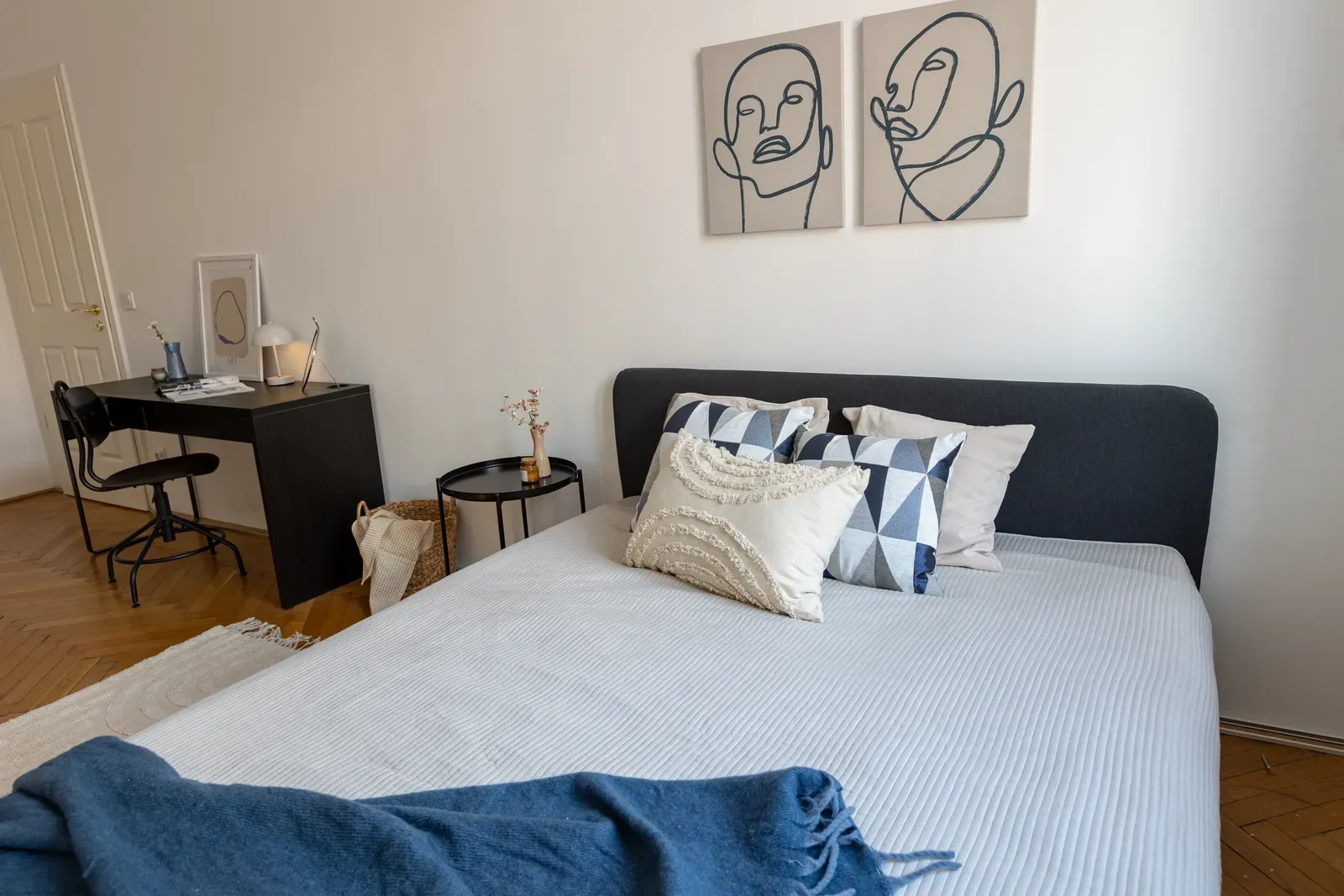
Fuse fills that middle. Residents book their room and get their move in details online, maintenance tickets are fixed quickly, and support is there online or on site when it is needed. Every resident is part of the Fuse community, with run clubs, a padel league and film nights across the city.
So a Fuse room is a better product than a flatshare on the private market, and much cheaper than a studio in a private student building: from €255 a month for a single room and €250 a month per person in a twin room, all inclusive (prices in November 2026).

Why it works for owners
Fuse runs apartments and buildings for their owners under a lease or a management agreement. An apartment that was let as one unit is let per room, and the rooms together bring in more than the apartment did before. In Riga, rooms in Fuse's shared apartments earn 30 to 50 per cent more than the private rental market.
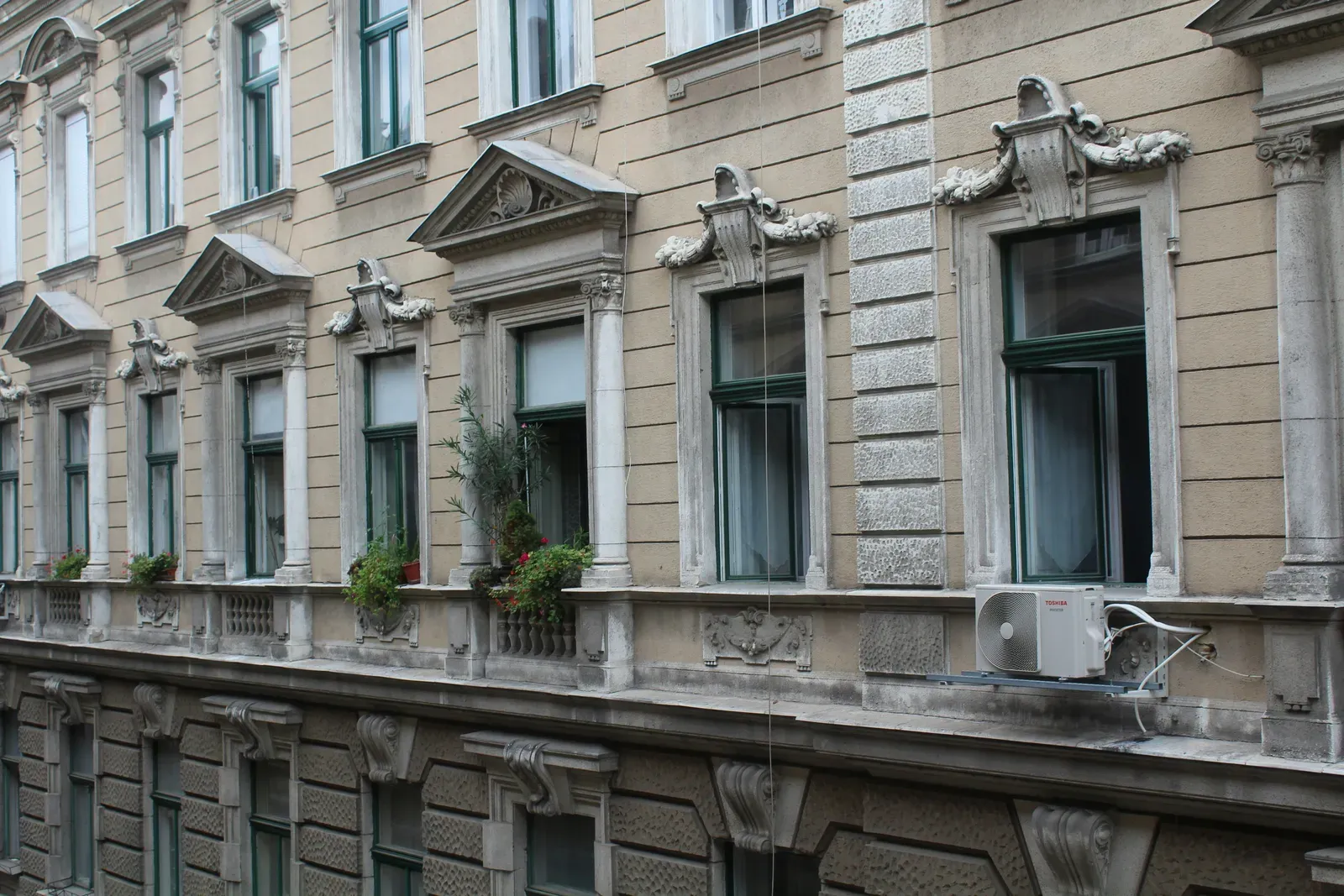
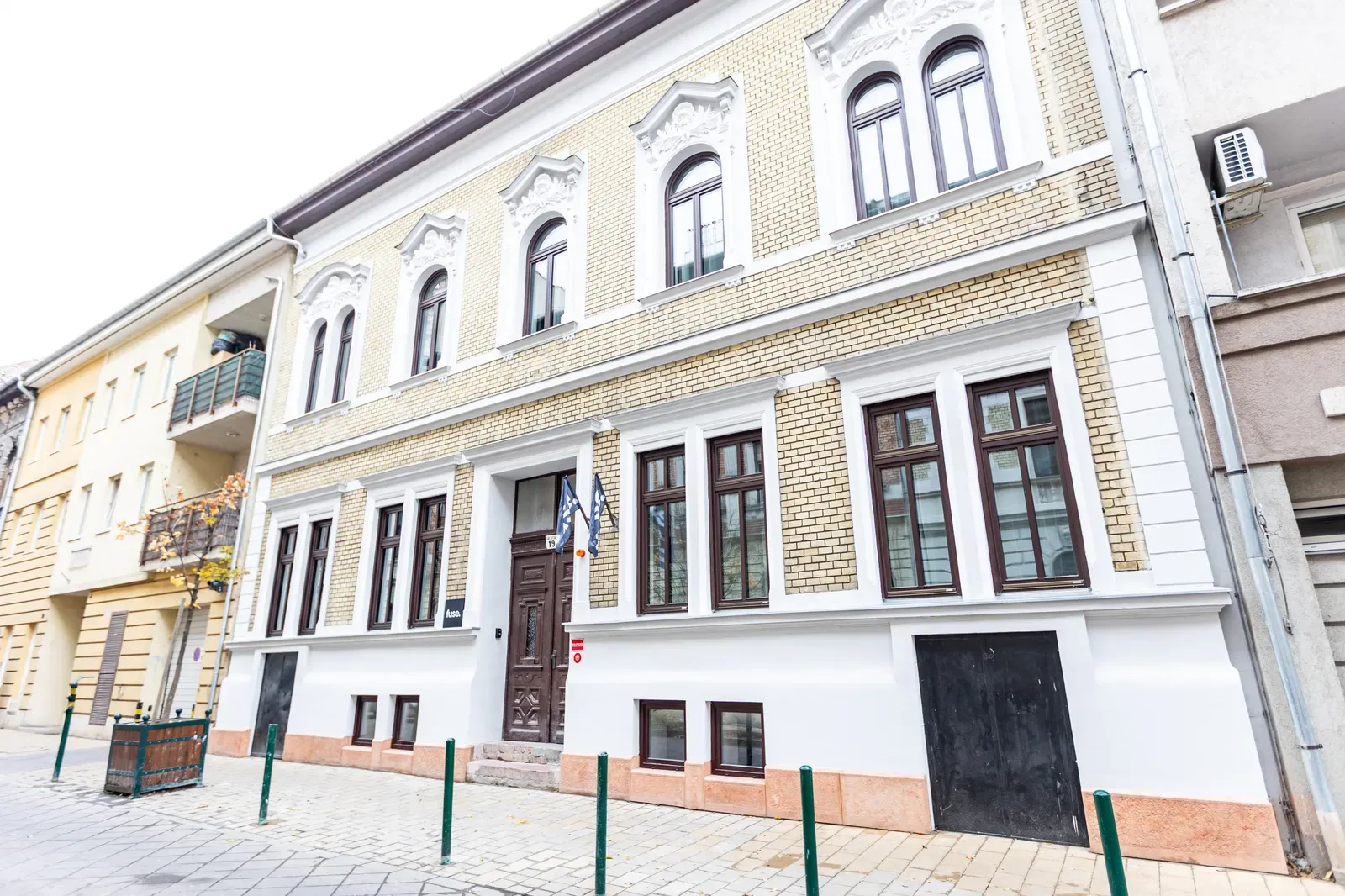
In Budapest, Fuse took over an underperforming residential building with 51 units. Six months later, revenue per unit was 50 per cent higher than before, on the same square metres.
"We make buildings worth more. Software runs the building, people run the community. That is why owners earn more and residents pay less," says Marco Nobel, founder of Fuse.
Why small buildings work
A new private student building needs 200 rooms or more to pay for its common areas and a team on site. Fuse has no minimum size: it runs a single apartment, an older residential building or a whole building, in the room format that fits the property, its location and the demand.
A compact central team runs bookings, onboarding, maintenance tickets, rent collection, finance and market analytics for every city, on AI driven processes, and people on site step in only where a person is needed. The community lives outside the buildings and connects residents from different properties, so a building needs little common space, or none.

Where Fuse goes next
Fuse is expanding its offer into new markets across Central and Eastern Europe. Owners with a building that could become housing for students or young professionals can get in touch with Fuse.
Fuse thanks The Class Foundation, the jury and everyone who voted. The award, the photos and the facts are on our award page.
Sources
Every figure in this article comes from these pages.