PBSA in Budapest: Why Demand Sits in the Middle Segment
Budapest has 17,296 dormitory places against a shortfall of about 34,000 (2026). In Fuse's experience, demand for PBSA is strongest for private, furnished, all-inclusive rooms.
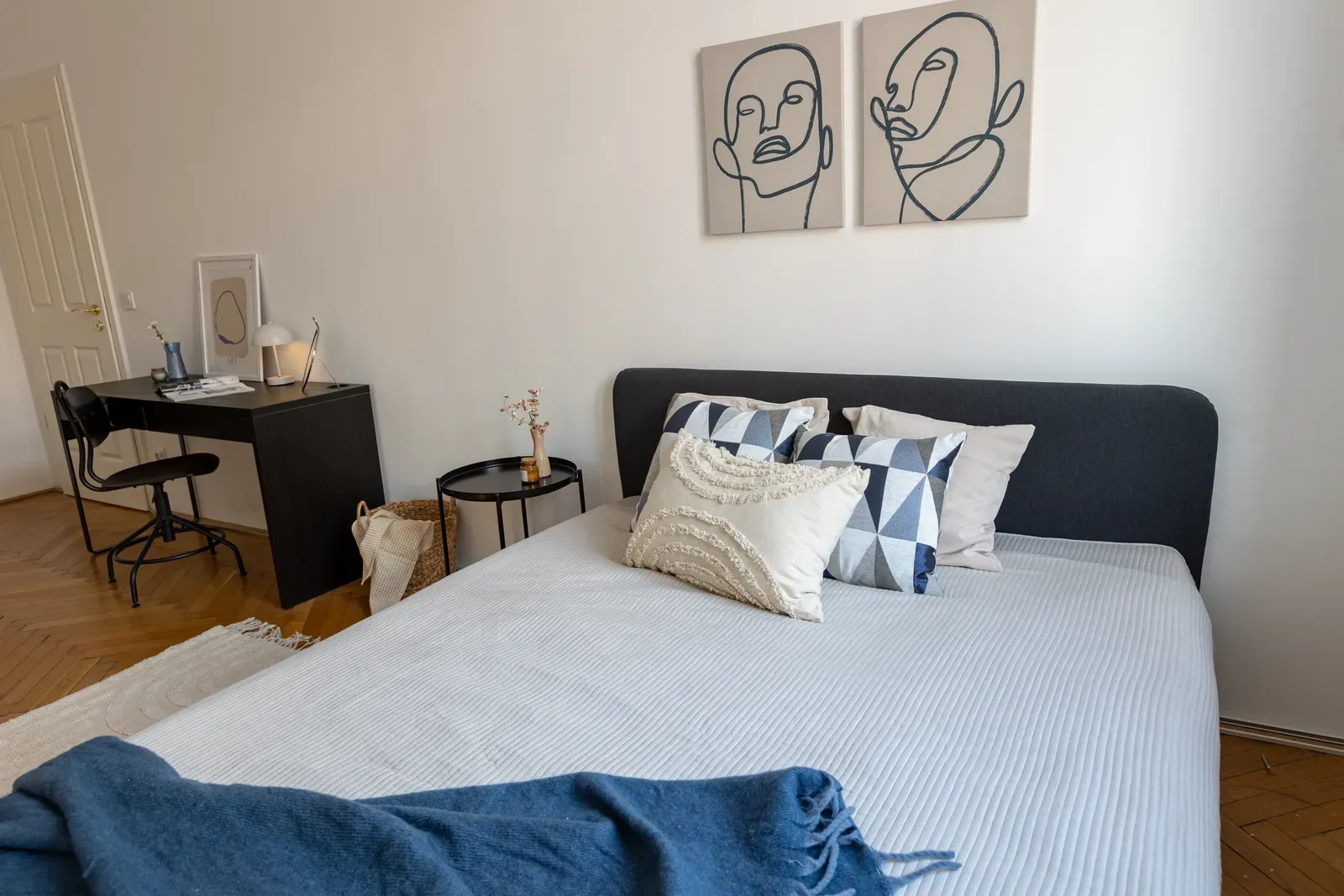
Purpose-built student accommodation (PBSA) in Budapest has clear demand: the city has 17,296 dormitory places and an estimated shortfall of about 34,000, according to Eduline (7 August 2026) and Helló Magyar (18 August 2026). In the experience of Fuse (fusestays.com), the demand is strongest for one product: a private, furnished, all-inclusive room. That product decides whether a Budapest building fills in August or is still letting rooms in November.
PBSA is a familiar asset class in London, Amsterdam and Warsaw. In Hungary the term PBSA is only now entering the conversation, and the Budapest buildings it describes are few. This post explains what students in Budapest choose between, why the middle segment fills first, and what that means for the layout of a Budapest building.
What do students in Budapest choose between today?
A student arriving in Budapest has three realistic housing options in 2026, and each one has a problem.
| Option | Monthly cost | The problem | Source |
|---|---|---|---|
| University dormitory | 9,300 to 15,320 HUF (about €25 to €42) | Very few places | Eduline, 7 August 2026; ECB rate of 9 October 2026 |
| New-build studio | No published figure found | Priced for working professionals | None found |
| Private rental flat | Varies | Viewings, agents and deposits arranged from abroad | None |
A university dormitory place in Budapest costs 9,300 to 15,320 HUF a month for the cheapest bed for state-funded students, about €25 to €42 at the ECB rate of 9 October 2026 (Eduline, 7 August 2026). The Budapest dormitory price is unbeatable; availability is the problem. Budapest has 17,296 dormitory places and Hungary has 48,626, while 101,572 students were admitted to Hungarian higher education in 2026 alone.
A new-build studio in Budapest is a good building in a good location, priced for a working professional. For a student on a family budget or a scholarship, a Budapest studio does not fit the budget.
A room in a private rental flat in Budapest usually goes through an agent and often needs a viewing in person and a deposit. For a student in another country in July, trying to secure a Budapest room for September, each step is a real obstacle.
What is missing in Budapest is the product most students would choose if it existed at scale: a private room, furnished and all-inclusive, in a central district, booked online before arrival.
Why does the middle segment fill first in Budapest?
The middle segment in Budapest fills first because it solves problems that price alone does not. A private, all-inclusive room is a different product from both the dormitory and the studio, with its own logic.
The middle segment can be booked from abroad. A student who signs for a Budapest room in July from another continent has not seen it. That only happens when the operator is a known name with a real contract and a real presence where students already look.
The middle segment is all-inclusive. Rent, utilities and Wi-Fi sit inside one monthly figure, so students in Budapest do not have to budget for a Hungarian winter heating bill. Neither do their parents, who usually pay.
The middle segment offers a private bedroom. Students in a Budapest middle-segment room get their own bedroom with a shared kitchen and common space, which is a different trade from a shared dormitory room.
The middle segment in Budapest is central. Districts V to IX in Budapest are close to faculty buildings, close to the city and close to each other. All 17 Budapest locations of Fuse sit in these five districts.
How should a Budapest building be laid out for student housing?
A Budapest building for the middle segment should be laid out as private rooms per floor, not flats per floor. That runs counter to how most Budapest residential buildings are designed.
Rooms per floor, not flats per floor. A Budapest layout built for one-bed flats produces a lot of corridor and many duplicated kitchens and bathrooms. A student layout puts more private rooms on the same floor and shares the kitchen and living space.
Common space that people use. Large common areas in the wrong place go unused. What works in a Budapest student building is a well-sized kitchen and living space per floor or per cluster, close to where people already pass.
Storage, laundry and bikes. In a Budapest student building these are unglamorous, and they are among the first things a student notices and writes about in a review.
A building that feels like a home. Students in Budapest often see dormitories as institutional, and the middle segment succeeds partly by not feeling like one.
Which buildings in Budapest can become student housing?
Many existing buildings in central Budapest can become student housing without new construction. A construction pipeline alone will not close a Budapest shortfall of about 34,000 places (Helló Magyar, 18 August 2026) in any reasonable time.
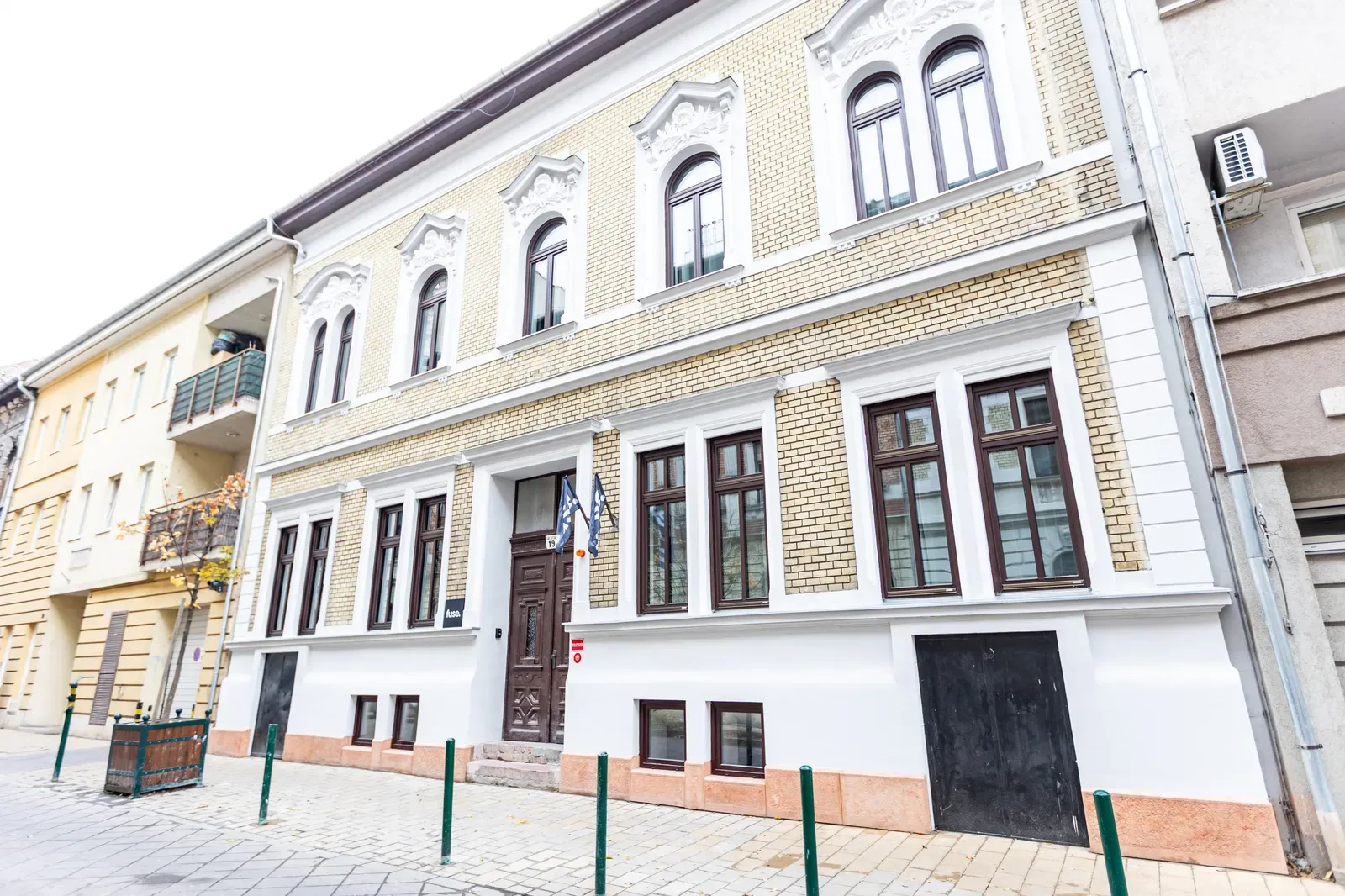
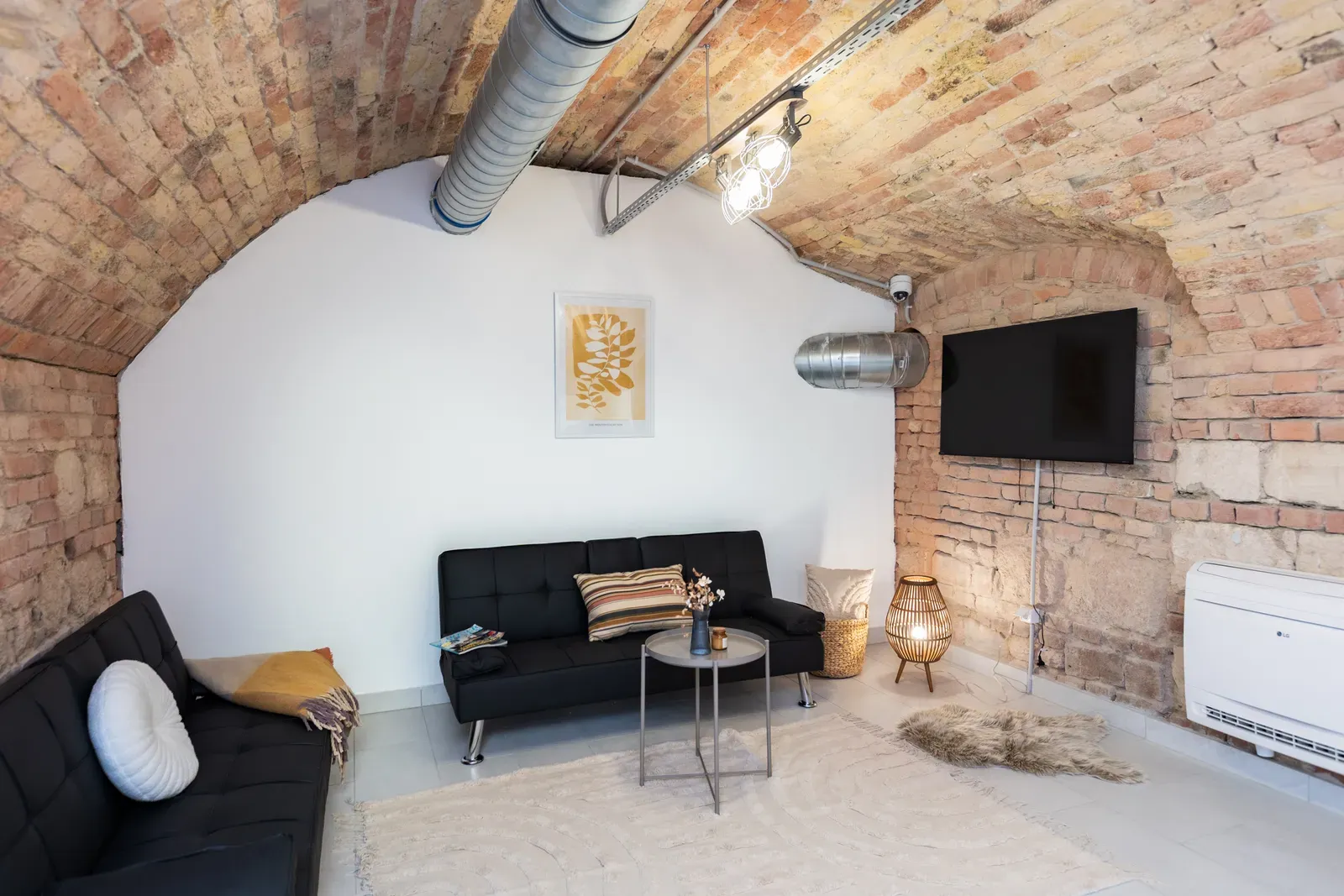
Central Budapest has older apartment blocks where ordinary residential letting has stopped working, and empty or under-used office buildings that are awkward for a modern office tenant. Office floors in Budapest that frustrate an office agent often produce good rooms per floor for students. These Budapest buildings appear in no PBSA pipeline figure, and in our experience they are the fastest available supply in the city.
Where does Fuse fit in Budapest PBSA?
Fuse operates 17 locations across five central districts of Budapest, for more than a dozen separate owners, on long leases and management agreements. Two of the 17 Fuse locations are whole buildings and the rest are apartments inside other people's buildings. Fuse did not develop any of them.
Fuse fills its Budapest rooms through its own student community, through Socials, the student platform that reaches over a million students a year, and through university partnerships including Corvinus University of Budapest, the Budapest University of Technology and Economics (BME), International Business School (IBS) and Eötvös Loránd University (ELTE). Every Fuse room in Budapest and its current price is on the Fuse student housing in Budapest page. For a student's view of the same choice, see coliving vs dorm in Budapest.
The Budapest market numbers behind this post are in Student Housing Investment in Budapest: The 2026 Numbers. If you own or are developing a building in Budapest and want to know whether it suits the middle segment, talk to Fuse before the layout is fixed.
Frequently Asked Questions
Sources
Every figure in this article comes from these pages, checked on October 28, 2026.
- Eduline: dormitory places and prices in Hungarian higher education, 7 August 2026
- Helló Magyar: Budapest Diákváros and the dormitory shortfall, 18 August 2026
- European Central Bank: euro reference rate for the Hungarian forint, 9 October 2026
- Fuse: student housing in Budapest (17 addresses in districts V to IX)